Somatic Yoga: Benefits, Beginner Exercises & How It Relieves Stress, Pain and Muscle Tension
Introduction
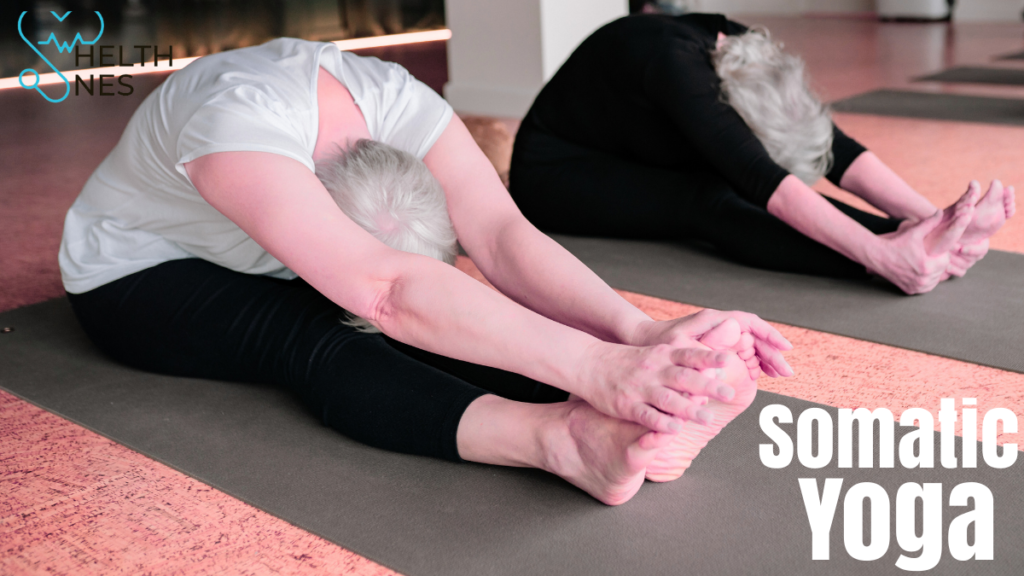
Somatic yoga is becoming one of the most talked-about wellness practices among people who want a gentle yet effective way to improve their physical and mental health. Unlike traditional fitness routines that emphasize intense effort or perfect posture, somatic yoga focuses on slow, mindful movement and awareness of internal body sensations. This approach helps individuals reconnect with their bodies, release long-held muscle tension, and restore natural movement patterns.
In today’s fast-paced world, many people struggle with chronic stress, stiff muscles, and persistent pain caused by sedentary work and daily pressures. Practicing somatic yoga can help address these issues by calming the nervous system and encouraging the body to relax naturally. This guide explains what somatic yoga is, its benefits, beginner exercises, and how it can support overall wellbeing for people of all ages and fitness levels.
What Is Somatic Yoga?

Somatic yoga is a mindful movement practice that blends traditional yoga concepts with somatic movement therapy. The word “somatic” comes from the Greek word soma, meaning the living body experienced from within. Instead of concentrating on how a pose looks from the outside, somatic yoga encourages practitioners to pay attention to how their body feels while moving. This internal awareness is the key element that distinguishes somatic yoga from many other forms of exercise.
When people ask what is somatic yoga, the simplest explanation is that it is a practice designed to retrain the nervous system through gentle, conscious movements. These slow movements help the brain recognize and release patterns of muscular tension that may have developed due to stress, injuries, or repetitive activities. Over time, regular practice helps improve mobility, posture, and comfort throughout the body.
How Somatic Yoga Supports the Mind–Body Connection

The mind–body connection plays a central role in somatic yoga. Many people hold tension in their muscles without realizing it because the nervous system has become accustomed to certain patterns of contraction. These patterns can develop from daily stress, long hours at a desk, or physical injuries that caused the body to protect itself by tightening specific muscle groups.
Through mindful movements and controlled breathing, somatic yoga helps reset these patterns. The slow pace allows the brain to observe and adjust muscle activity in a safe and controlled way. As awareness grows, the body gradually releases unnecessary tension and regains a sense of balance. This process can lead to improved flexibility, reduced discomfort, and a stronger connection between mental focus and physical movement.
Somatic Yoga Benefits for Physical and Mental Health
One of the main reasons people explore somatic yoga is the wide range of benefits it offers. Physically, the practice helps improve flexibility, coordination, and muscle relaxation. Gentle movements gradually release tight muscles, making it especially helpful for individuals experiencing back pain, neck stiffness, or limited mobility. Because the movements are controlled and mindful, somatic yoga is considered a safe option for people recovering from injuries or dealing with chronic discomfort.
Mental and emotional benefits are equally significant. Somatic yoga encourages deep breathing and relaxation, which can calm the nervous system and reduce stress levels. Many practitioners report better sleep, improved focus, and a stronger sense of emotional balance after incorporating somatic yoga into their routine. The practice also promotes mindfulness, helping individuals stay present and more aware of how their bodies respond to everyday stress.
Somatic Yoga for Beginners
Somatic yoga for beginners is designed to be accessible and welcoming, even for people with little or no experience in yoga or exercise. Unlike fast-paced workouts, somatic yoga sessions typically involve slow movements performed while lying down or sitting comfortably. This allows beginners to focus on their breathing and body awareness without feeling overwhelmed or pressured to perform complex poses.
For those starting their journey, it is helpful to create a calm and comfortable practice space at home. A soft yoga mat, quiet environment, and relaxed mindset can make a significant difference. Beginners should focus on gentle movements and listen carefully to their bodies, avoiding any discomfort or strain. Practicing for short sessions several times a week can gradually build familiarity and confidence.
Somatic Yoga Exercises and Poses
Somatic yoga exercises are intentionally simple yet highly effective in releasing tension and restoring natural movement. One common movement involves gentle pelvic tilts performed while lying on the back. This exercise helps release tightness in the lower back and improves the mobility of the spine. Another widely used exercise is the side-to-side knee movement sometimes referred to as “windshield wipers,” which helps loosen the hips and relax the lower body.
Somatic yoga poses often resemble traditional yoga positions but are performed in a slower and more exploratory manner. Instead of holding a pose for strength or endurance, practitioners move gradually in and out of positions while paying attention to internal sensations. This mindful approach encourages muscles to relax naturally and helps the body regain flexibility without unnecessary strain.
Somatic Yoga for Stress and Pain Relief
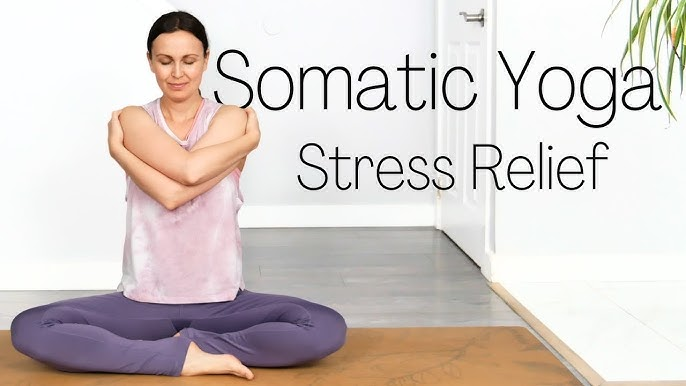
Modern lifestyles frequently expose people to constant mental pressure and physical strain. Long hours sitting at desks, using digital devices, or managing daily responsibilities can cause the body to develop tight muscles and poor posture. Somatic yoga provides a gentle way to counteract these effects by encouraging relaxation and conscious movement.
By slowing down and focusing on breathing and awareness, somatic yoga helps calm the nervous system and reduce the physical symptoms of stress. Many people notice improvements in headaches, neck tension, and lower back discomfort after regular practice. Over time, this mindful movement practice teaches the body to release tension more easily, creating a lasting sense of comfort and relaxation.
Somatic Yoga for Weight Loss and Body Awareness
While somatic yoga is not traditionally associated with high-intensity workouts, it can still support healthy weight management in indirect but meaningful ways. Chronic stress often leads to hormonal imbalances that contribute to weight gain and fatigue. Because somatic yoga helps regulate the nervous system and reduce stress hormones, it can create a healthier internal environment for maintaining a balanced weight.
Another important benefit of somatic yoga is improved body awareness. When individuals become more connected with their physical sensations, they often develop healthier lifestyle habits. They may notice how their bodies respond to certain foods, activities, or stress levels, which encourages more mindful decision-making. This awareness can lead to sustainable lifestyle improvements rather than short-term fitness trends.
Somatic Yoga Training and Learning Opportunities
As interest in somatic yoga grows, more training opportunities are becoming available for those who wish to deepen their understanding of the practice. Somatic yoga training programs often include lessons on anatomy, nervous system regulation, and teaching techniques that guide others through mindful movement. These programs help students understand how to apply somatic principles safely and effectively.
In the United Kingdom and other regions, teacher training courses are gradually expanding as wellness communities recognize the value of somatic movement practices. Completing a somatic yoga teacher training program may allow individuals to teach classes, lead workshops, or integrate somatic techniques into other health professions such as physiotherapy, fitness instruction, or holistic wellness coaching.
Finding Somatic Yoga Classes and Online Resources
Many people prefer learning somatic yoga with guidance from experienced instructors. Searching online for somatic yoga classes near you can help identify local studios or community centers offering beginner sessions. Cities with active wellness communities often provide specialized classes designed to focus on relaxation, body awareness, and nervous system regulation.
For those who prefer practicing at home, numerous online platforms offer guided somatic yoga sessions. These videos and virtual classes allow beginners to explore the practice at their own pace while learning fundamental movements safely. Online resources also provide flexibility, making it easier to maintain a consistent routine regardless of schedule or location.
Conclusion
Somatic yoga offers a gentle yet powerful approach to improving both physical and mental wellbeing. By focusing on mindful movement and internal body awareness, this practice helps release muscle tension, reduce stress, and restore natural movement patterns. Unlike intense fitness routines, somatic yoga emphasizes relaxation, patience, and gradual improvement.
Whether someone is looking for relief from chronic pain, better stress management, or a deeper connection with their body, somatic yoga provides a practical and accessible solution. With consistent practice and a willingness to move slowly and mindfully, individuals can experience meaningful improvements in flexibility, comfort, and overall quality of life.